A morning walk in paradise
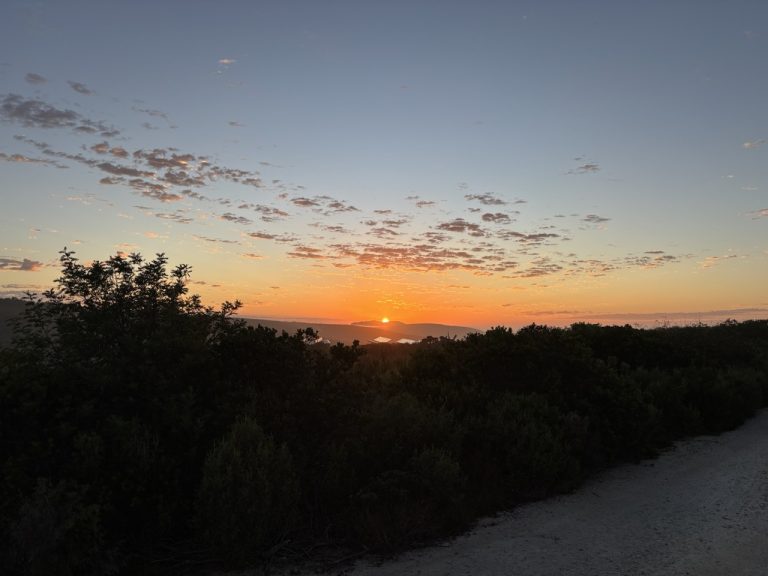
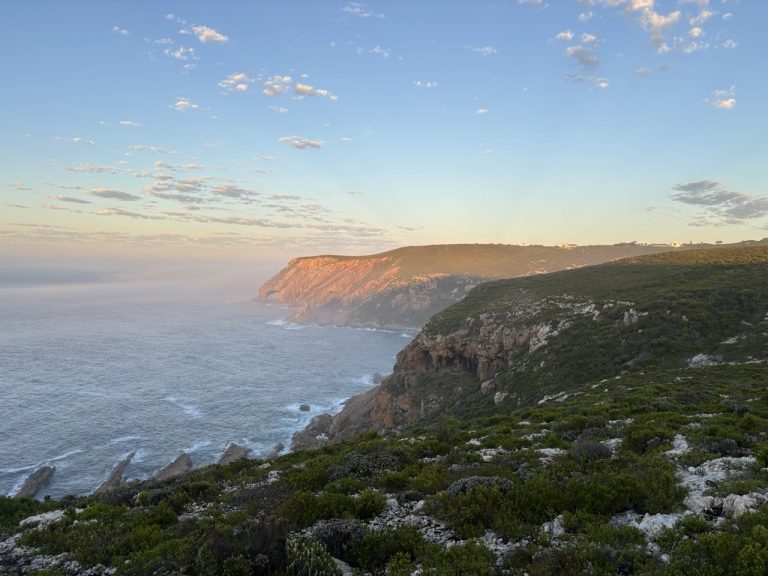
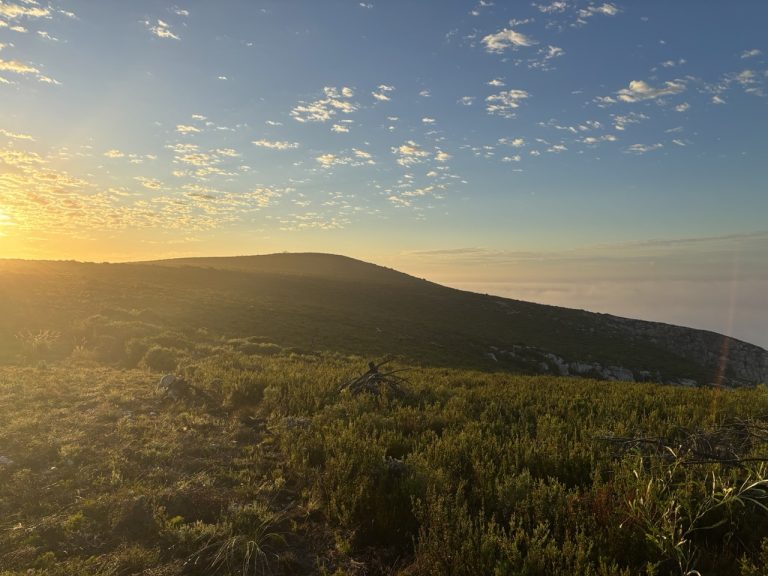
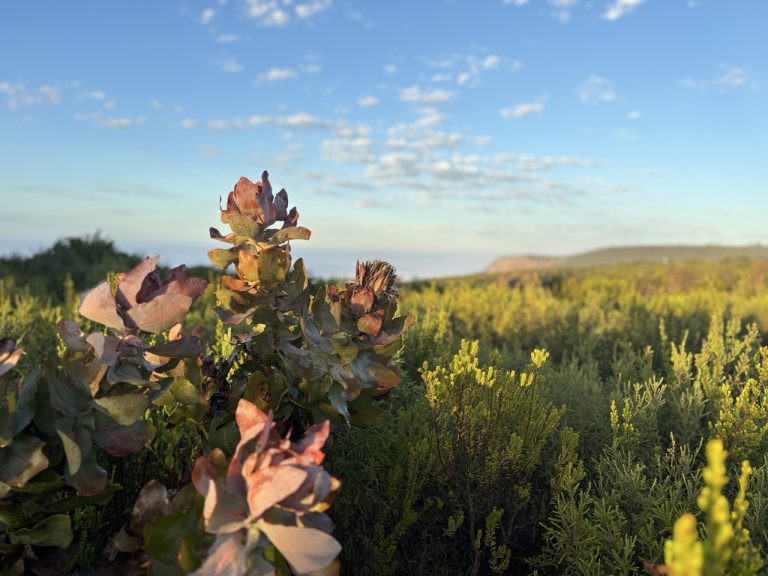
We are so fortunate to be able to experience such stunning beauty in our backyard, especially if you are lucky enough to experience it in late summer at sunrise. Something about the light and the aromas when the dawn is breaking and the animals are starting to stir.
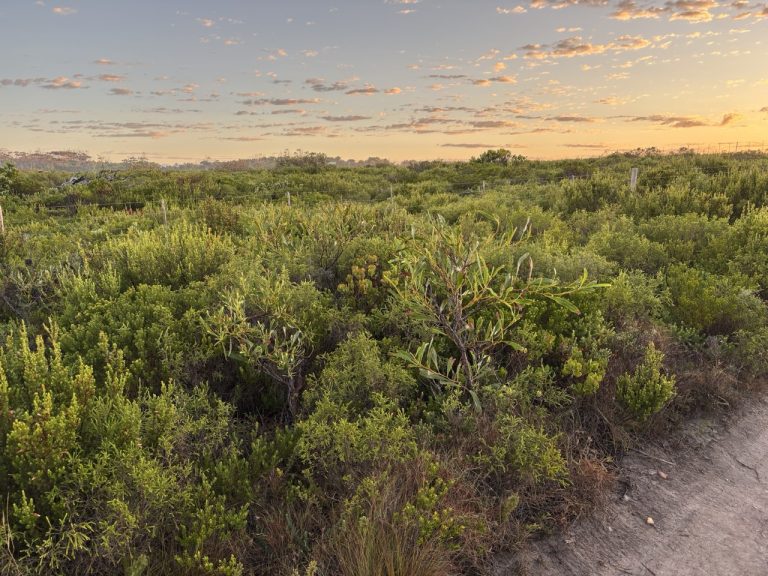
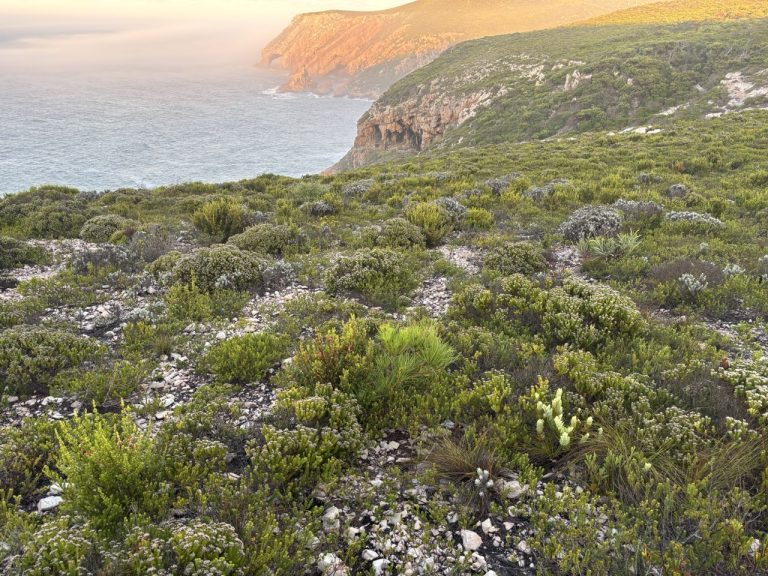
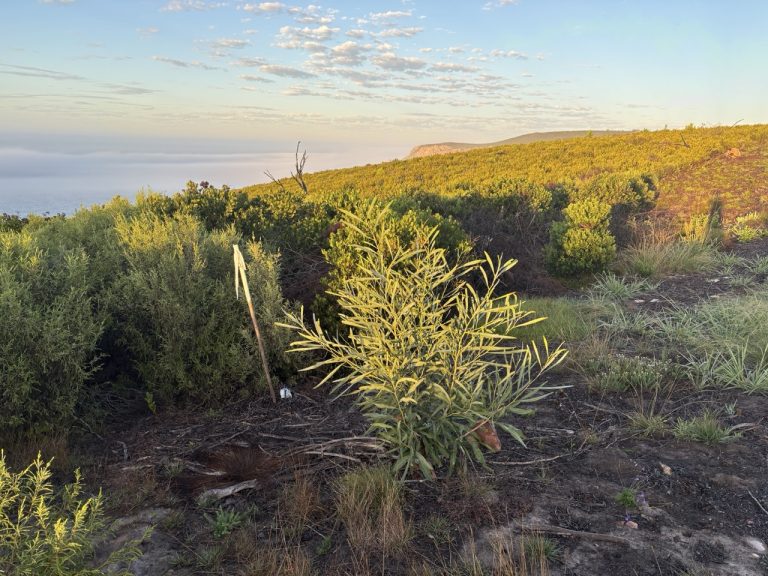
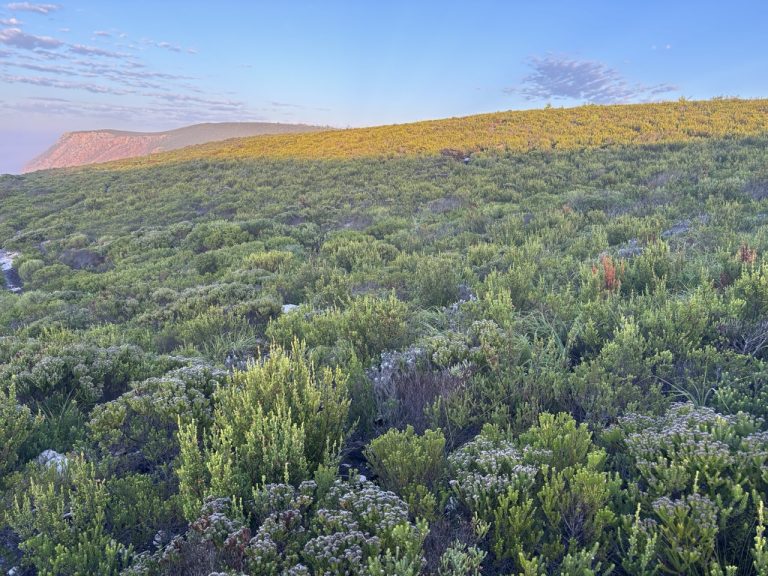
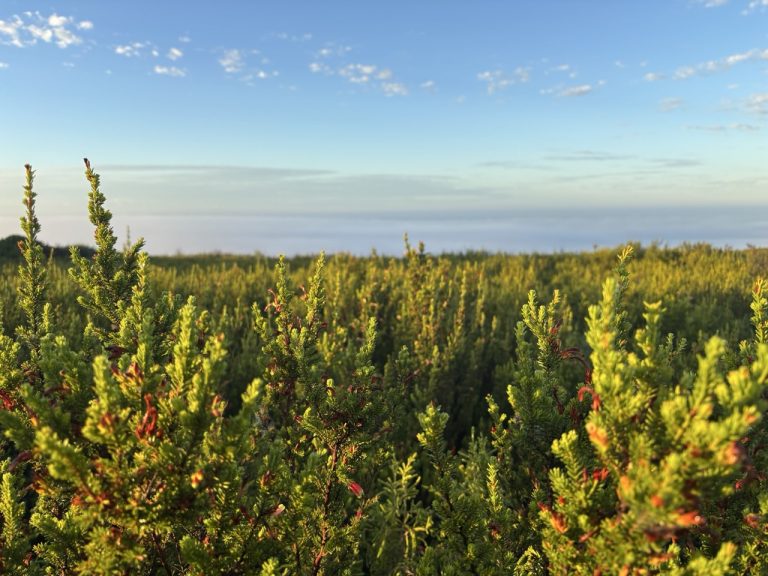
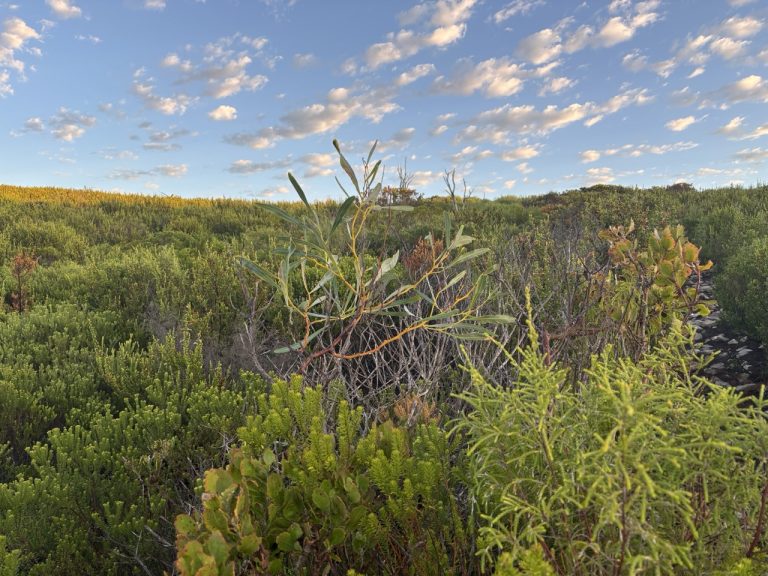
Since the devastation of the fires the coastal corridor has seen a healthy regrowth of Fynbos and much of the area now shows very little sign of the destruction that tore all the way down to the shoreline.
Fortunately the regrowth hasn’t suffered the infiltration of the alien invasive species that is evident above the ridge line and beyond into many of the adjoining farms. Much of the Fynbos although a little slower to recover is back to its former glory which defines the area and the coastline.
As one walks through the corridor over looking the clifftops much of the regrowth is now around waste height or under. What this provides is the ability to spot to odd intruder in the form of wilding pines. Over the last few years we have culled several hundred that have shot up above the regrowth. Taking out a young pine tree is a simple case of a couple of decent blows with a panga knife and its all over and given the fact that they are so easy to spot eliminating them is not so difficult.
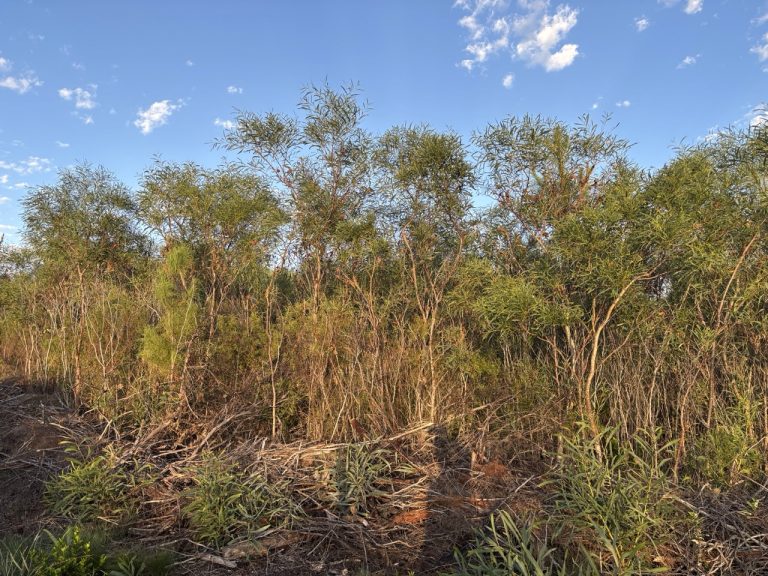
The same cannot be said for the Port Jackson. Once this tree starts to take root and mature it can be somewhat more of a challenge to remove. As things currently stand many of the pockets that do exist can be cut down and removed with the use of chainsaws but this might not be the case for too much longer.
Now is really the time to to put in a concerted effort to remove these tress before they get to a size that does require more than just a bit of gentle persuasion.
Our next task is to map where the worst pockets are – then we can make a plan to have these removed with the help of our farm workers. A couple of Saturdays with a few helpers and I think we can eliminate most of the Port Jackson before the problem requires a more heavy handed approach.